Comfort-Focused Care
The work is relieving symptoms and managing pain, not treating the underlying illness. Comfort is the goal, and it is measured every visit.
United Hospice brings expert end-of-life care to the people who need it, and steady support to the families around them.

Hospice is not about giving up. It is a change in what the care is for. Instead of treatments aimed at curing an illness, everything turns toward comfort: easing pain, quieting symptoms, and making the days as good as they can be.
It is care for the whole person, and for the whole family. Physical comfort, yes. But also the emotional and spiritual weight that comes with this time, and the practical questions nobody prepared you for.
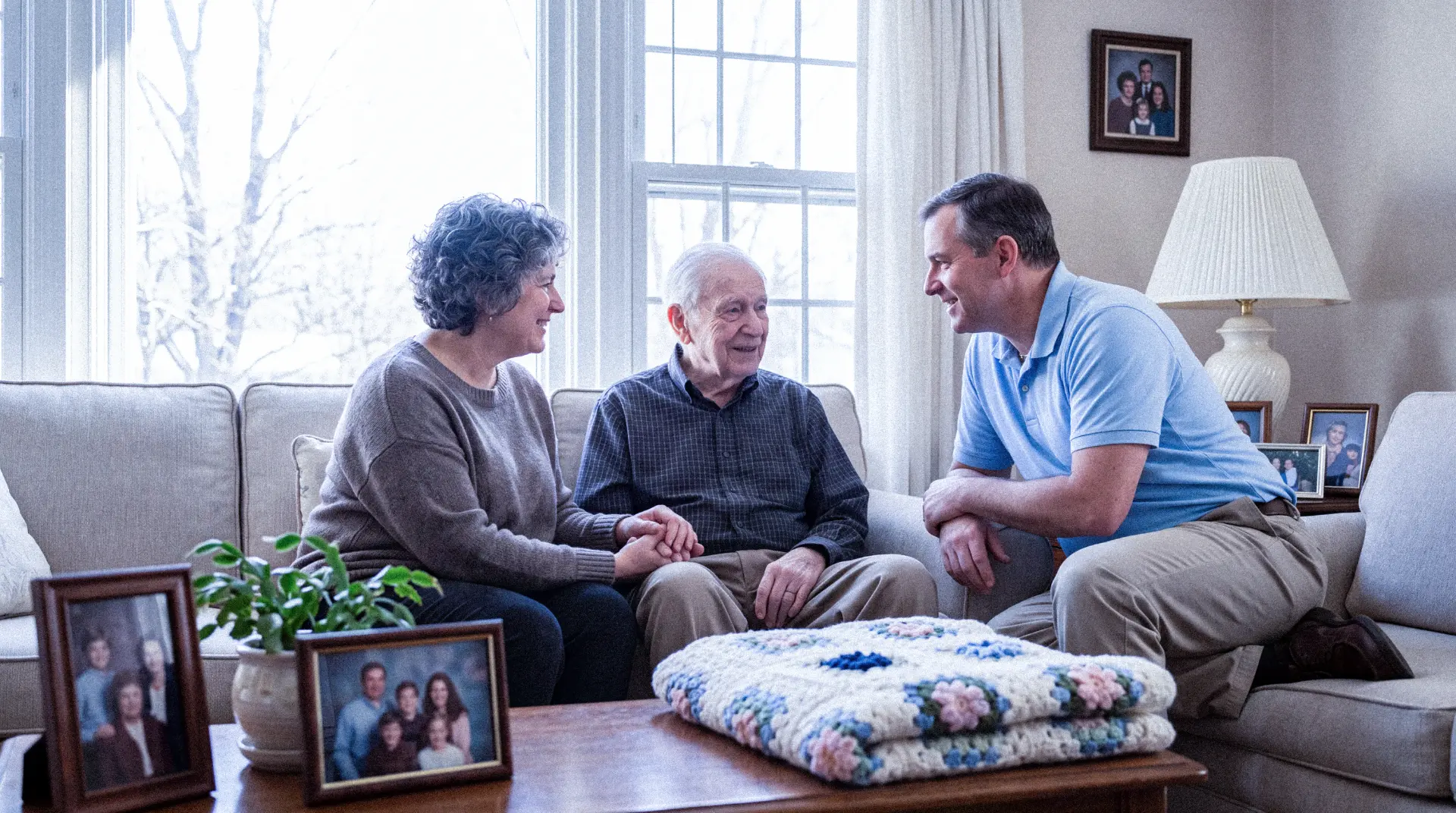
The work is relieving symptoms and managing pain, not treating the underlying illness. Comfort is the goal, and it is measured every visit.
Physical, emotional, social and spiritual needs are treated as one picture, because that is how they are lived.
Care comes to the patient: a house, an apartment, a daughter's spare room, or a room in a nursing or assisted living community.
Nurses, physicians, aides, social workers, chaplains and volunteers, all working from one plan of care.
As things change, visits increase. Nobody is left to work out the last days alone.
The family is cared for too. Guidance, respite and a hand to hold through the parts that are hardest.
Medicines are reviewed, adjusted and delivered, so symptoms stay controlled and nobody is chasing a pharmacy.
A social worker and a chaplain, for faith of any kind or none at all. Presence, not pressure.
Every patient gets a plan of care written for them, not pulled off a shelf. It sets out what comfort looks like for this person, who visits and how often, which medicines and equipment are needed, and what the family wants. Your own doctor stays involved and approves it. As things change, the plan changes with them.
A conversation costs nothing and commits you to nothing. We can talk it through today.